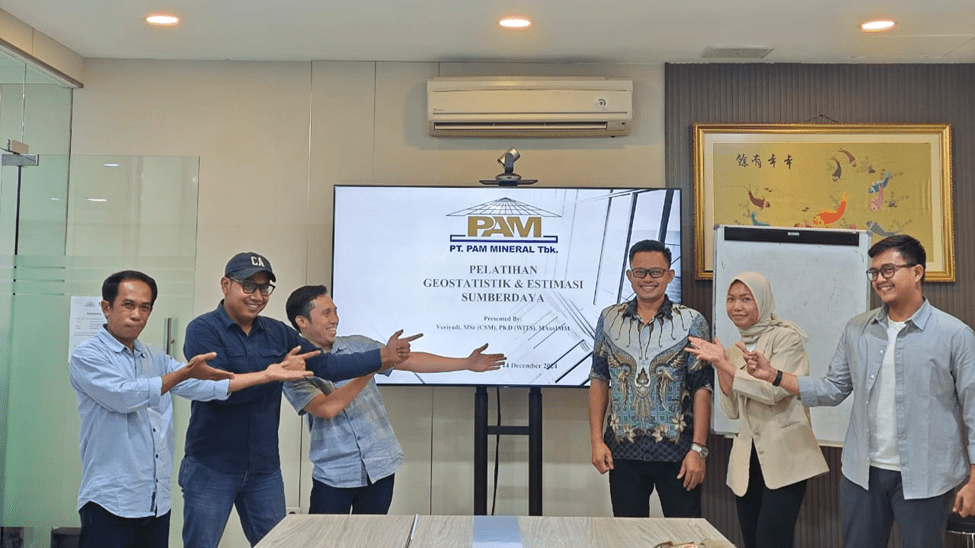
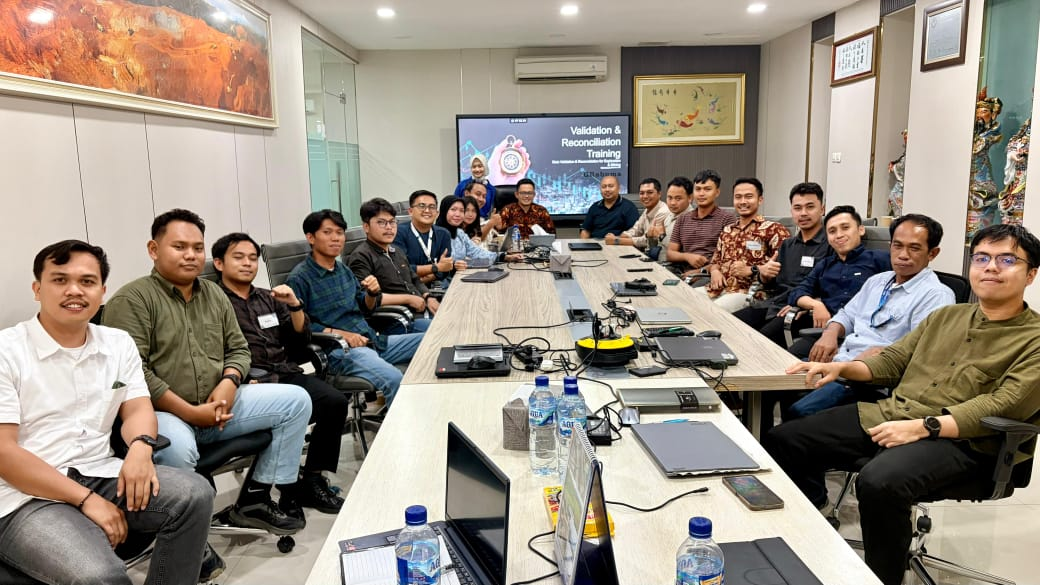
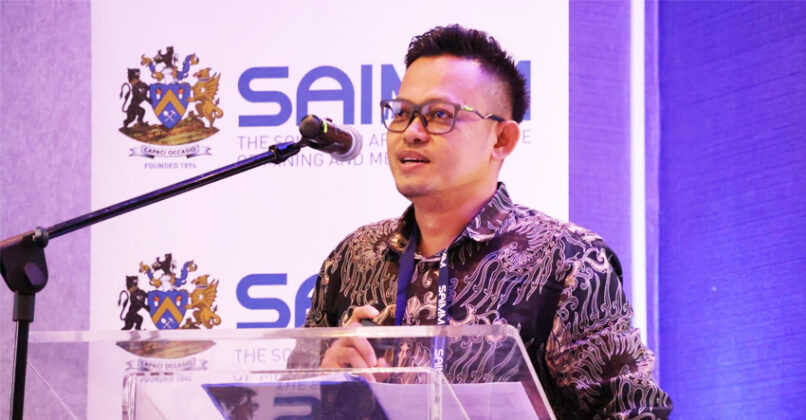
Grabuma successfully conducted a of training sessions at PT Timah TBK, SLS Group, PT Sukses Inti Makmur, and PT PAM Minerals. The focus of this training was Orebody Modelling, Geostatistics, and Resource Estimation, which are crucial pillars in the effective and efficient planning and management of mineral resources. This training is designed to equip professionals in the mining industry with the latest knowledge and skills in modeling ore deposits, applying geostatistical principles, and conducting accurate resource estimations.
PT. Timah, TBK
The orebody modelling, geostatistics and resource estimation were held in PT. Timah’s headquarter in Pangkal Pinang in October 2018. This course introduced the database, QAQC sampling analysis, orebody construction, variogram modelling grade estimation and resource estimation reporting.
SLS Group
This course was held in Sidoardjo in January 2024 that covers database investigation, statistics & geostatistics analysis, orebody modelling, grade estimation and resource reporting. The QAQC sampling procedures were introduced to determine the appropriate input and output products used for the estimation. The statistics analysis identified the basic statistics including skewness, kurtosis, Jarque-bera test and the augmented dickey fuller tests. The ore body modelling was constructed based on the downhole graph analysis, contact analysis graph and probability plot. This course also introduced the machine learning model to estimate the ore grade using k-NN. The fitting variogram was introduced to optimize the grade estimation results. Then, the grade estimation results using ordinary kriging (OK) were validated to the actual data sources per domain.
PT. Sukses Inti Makmur
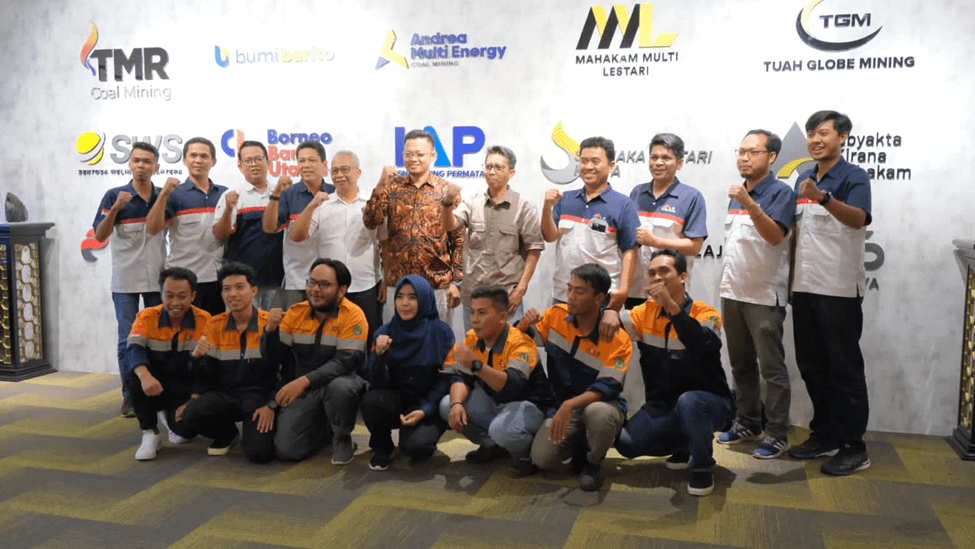
This course was held at PT. Sukses Inti Makmur’s site office at Petikan, Belitung. This course covered drillhole database, geological modelling, statistics & geostatistics analysis, variogram constructions and grade estimation using ordinary kriging (OK) and inverse distance weighting (IDW) for alluvial tin deposit.
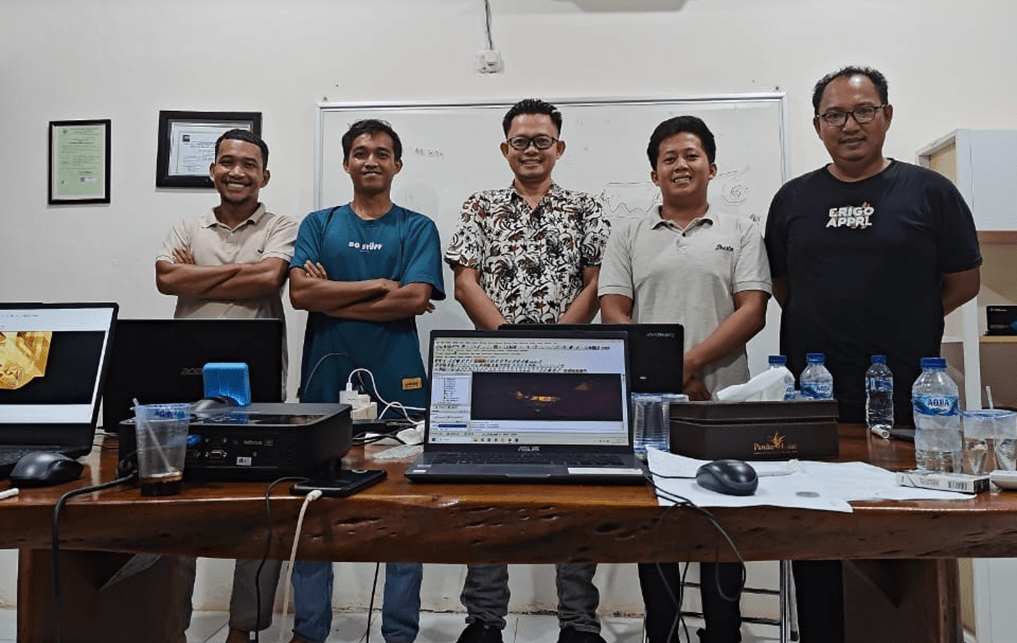
Figure 2 – The drillhole database, orebody modelling, statistics & geostatistics investigation and grade estimation courses for PT. SIM
PT. PAM Minerals
This course was carried out from 12 – 14 December 2024. This covered the exploration database, QAQC sampling, geological modelling, compositing, statistics and geostatistics analysis, grade estimation and resource classification. In QAQC samplings, this course introduced the fundamental sampling error (FSE) including modified sampling tree experiment (MSTE), 30-pieces experiment and heterogeneity test and geostatistical analysis for duplicate analysis. In geological modelling, the orebody modelling was constructed using explicit and implicit methods. The orebody modelling using an explicit was developed based on the downhole graph analysis and skin boundary. Using implicit, this course introduced the discrete smooth interpolation (DSI), radial basis function (RBF) and geostatistical geological modelling such as cross-correlogram partial grade, plurrigaussian and conditional simulation (CS). In statistical analysis, this main statistical issues were the distribution and stationary existence. These were addressed using the jarque-bera test and augmented dickey fuller test. In grade estimation, this course introduced the artificial neural network (ANN) in estimating the copper grade and the combination of the ANN and the metaheuristics model to optimize the grade interpolation. Finally, this course introduced the resource classification using geometric methods (ellipsoidal search, number of drillholes, distance to nearest drill hole, drillhole spacing and octant search), geostatistical methods (kriging variance and 90% confidence interval) and machine learning.